Homerun Forge Bat Tier List
S through D rankings for forged bats, skins, and what to keep when inventory fills up.
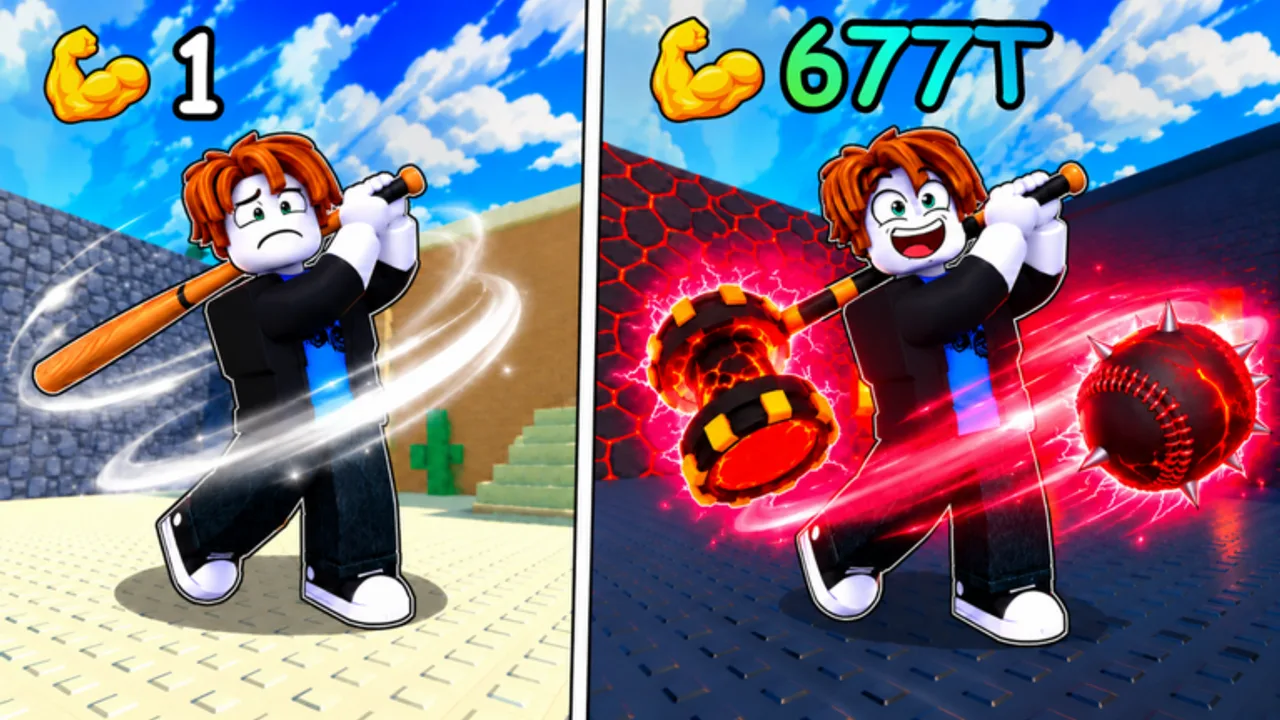
The Homerun Forge bat tier list exists for one reason: every forge roll spends loot you earned by training and smashing stages, so you need a clear keep-or-scrap rule. +1 Homerun Forge by PrimeLoop Studio rolls bats from the materials you feed the forge. Higher rarity bats generally hit harder, break walls sooner, and open denser loot tables — but not every shiny skin is an upgrade to your current smash power.
This hub ranks bat outcomes by how well they push the main loop (train → smash → loot → forge → repeat). Use it together with How to Forge Bats and Stage Progression. If you are brand new, skim Getting Started first so you know how strength and bats interact.
How we rank bats
- Stage clear speed — Does the bat break the current wall meaningfully faster?
- Loot quality while equipped — Stronger smashes tend to unlock better material drops further down the stage line.
- Forge opportunity cost — Would those materials have been better saved for a higher rarity attempt?
- Skin vs stats — Cosmetics that look legendary but swing like a common belong lower unless you care about flex only.
Ranks move after balance patches. Check the Updates Hub when PrimeLoop tunes forge weights.
S-tier — endgame smashers
S-tier bats are the rolls you screenshot. They combine high power with a rarity tag that keeps them relevant through late stages. Typical signals: mythic / rainbow / diamond-class naming in forge results, dramatic VFX on swing, and clear distance jumps versus your previous best.
Play pattern: Equip immediately. Stop forging with low-tier filler while an S-tier is active unless you are chasing a specific skin. Spend codes materials into attempts that can hit this bracket once your strength can already clear mid stages.
Community forge demos (including shorts that land a diamond-class bat) show how much farther an S-tier carries you through walls that previously felt stuck.
A-tier — reliable pushes
A-tier bats are excellent workhorses. They may lack the flashiest VFX but still outclass most inventory filler. Keep one A-tier as your daily driver while you bank rare ores for S-tier attempts.
Play pattern: Use A-tier to farm the next two stage bands efficiently. If you roll a second A-tier that is only cosmetically different, scrap or store the weaker stats model.
B-tier — mid-game bridges
B-tier is where most players live after leaving the tutorial bats. These bats clear early-to-mid walls that wooden or basic metal bats cannot. They are worth equipping the moment they beat your current power, even if the rarity name feels mid.
Play pattern: Forge aggressively into B-tier while strength training stays ahead of your stage. Read Training and Strength so you do not out-bat your swing power or out-train your bat.
C-tier — temporary upgrades
C-tier bats are short-term upgrades over starter gear. Keep them only until a B-tier lands. Do not dump legendary materials trying to “finish” a C-tier collection.
D-tier — scrap or flex only
D-tier covers duplicates of early commons, failed rolls with worse stats than your equipped bat, and pure cosmetic shells with no smash gain. Scrap them for whatever refund or recycle loop the current patch allows, or park them in a skin collection slot if the game separates cosmetics from power.
Material priority for better tiers
Better loot in equals better average rolls out. Farm stages that drop the highest material rarity you can break consistently rather than camping a wall you barely chip. The stage progression guide explains when to stay and when to backtrack for density.
When you open the forge:
- Insert your rarest matching set first.
- Avoid diluting a near-mythic recipe with piles of commons unless the UI shows that volume raises the high-rarity chance.
- Note the result, update your personal keep list, and compare against this tier list.
- Re-equip if power rose; otherwise keep farming.
Skins versus competitive bats
Homerun Forge advertises “tons of unique bat skins.” Skins are great for profile flex and content creation, but tier rankings on this wiki prioritize smash power for progression. If two bats share rarity and the skin differs only visually, treat them as equal for stage clears.
Synergy with codes and scripts
Code rewards that grant materials should feed A/S attempts, not endless C-tier spam — see the Codes Hub. If you research automation on the Scripts Hub, remember that auto-forge without a tier filter will fill your bag with D-tier junk and waste the loot you waited for.
Related reading
- How to Forge Bats — step-by-step forge UI and loot rules.
- Getting Started — first hour priorities.
- Guides Hub — full tutorial index.
- Players — who builds the game and where the community gathers.
Frequently Asked Questions
Quick answers to the most common questions.
What is the best bat in Homerun Forge?
The best bat is the highest power rarity you can currently roll and equip. S-tier mythic or diamond-class results sit at the top; always compare the numeric smash power, not only the skin name.
Should I scrap lower-tier bats?
Yes once a strictly stronger bat is equipped, unless you are collecting skins. Keeping weak bats only clutters inventory during forge sessions.
Do skins change damage?
Many skins are cosmetic wrappers. Trust the power/rarity stats shown after forging. If two items share stats, pick the look you like.
How often is this tier list updated?
After major forge or stage balance patches listed on the Updates Hub, and whenever community forge data shows a new rarity bracket.