Homerun Forge Stage Progression Guide
Break walls on purpose — farm, push, or reforge with a clear rule for every gate.
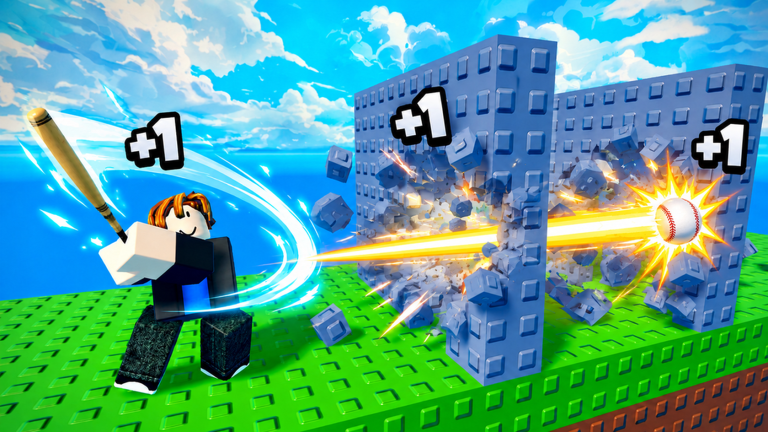
Stage walls are the scoreboard of +1 Homerun Forge. Each barrier you shatter proves your training and forging are working — and each barrier that refuses to fall tells you which system lagged behind. This stage progression guide gives decision rules so you stop staring at a full-HP wall wondering whether to train, farm, or reforge.
Use it with Training and Strength, How to Forge Bats, and the bat tier list. Keep codes redeemed so boost windows line up with push attempts.
What a “stage” means here
In Homerun Forge, stages are smash targets — walls, gates, or distance markers that break when your swing power overcomes their HP. Breaking them spills loot used at the forge. Later stages drop better materials but demand stronger bats and higher strength. The official pitch is simple: the stronger you become, the farther you go.
The three-lane decision rule
When you approach a wall, pick one lane:
Lane A — Push
Choose Push when you can break the wall in a short, satisfying hit cycle (rough guideline: it falls before you get bored). Pushing unlocks the next loot table. Do this after a strength session or a fresh bat upgrade.
Lane B — Farm
Choose Farm when the current wall is already easy. Stay here and fill bags with the best loot this bracket offers before racing ahead half-prepared. Farming feeds high-quality forge attempts.
Lane C — Reforge / Retrain
Choose Reforge or Retrain when the wall barely chips. Do not ego-swing for twenty minutes. Leave, raise strength, or craft a higher-tier bat, then return.
Write the lane on a sticky note if you have to — the habit matters more than perfect timing.
Early-stage roadmap
- Break tutorial walls with starter gear after claiming codes.
- Train until the next wall is a Push, not a chore.
- Forge the first upgrade bat (forge guide).
- Farm one full bag of the best materials you can clear quickly.
- Forge again with a rarity goal from the tier list.
- Only then contest the next scary wall.
Mid-stage roadmap
Mid game is where players get greedy. They see a new wall, spend all rares on panic forges, then sit underpowered with empty bags. Instead:
- Keep one reliable A/B-tier driver equipped.
- Bank a dedicated S-tier material stash.
- Farm the highest stage you can clear in under a minute per break.
- Schedule Push attempts right after training bursts or boost codes.
Late-stage mindset
Late walls are gear checks. If an S-tier bat plus fresh strength still struggles, you may need patch-aware tips from Updates or simply more time in the farm bracket below. Incremental games sometimes want a longer Farm lane than your dopamine prefers — that is normal.
Loot routing tips
- Pick up everything; missed sparks are free progress left on the floor.
- Return to forge before inventory overflows if the game deletes extras.
- Separate “fuel commons” from “recipe rares” mentally so you do not dump the wrong pile.
- After a big Push, immediately Farm the new bracket once to taste its loot quality.
Party and server notes
Up to eight players can share a server, but your strength, bats, and loot remain personal. Crowded servers can add lag that makes timing Push windows harder — hop if swings feel delayed. Friends are great for morale, not for carrying your wall HP.
When to open other wiki pages mid-run
- Wall won’t fall → Training or Forge
- Unsure what to keep → Tier List
- Need free bags → Codes
- Wondering if a patch nerfed stages → Updates
- Curious about automation → Scripts (ban risk)
Example evening session
Redeem codes → train ten minutes → Push one wall → Farm two bags → Forge three intentional rolls → equip upgrades → Push again → stop on a win. That outline beats three unfocused hours and matches how incremental simulators reward structure.
Closing
Stage progression in Homerun Forge is a conversation between your bat, your strength, and the wall in front of you. Listen for the answer: Push, Farm, or Reforge. Follow it, and the map opens. Ignore it, and you will swear the game is broken when the loop was only unbalanced.
Continue through the Guides Hub or visit Players and the Links Hub for studio destinations while you plan tomorrow’s Push.
Frequently Asked Questions
Quick answers to the most common questions.
What do I do if a stage wall will not break?
Leave and either train strength or forge a stronger bat. Ego-swinging a wall that barely chips wastes time.
Should I always rush the newest stage?
No. Farm easy stages for better forge materials until your bat and strength make the next wall a short Push.
Do stages reset?
Treat each session as continuing your personal power climb. Exact persistence depends on live game systems; your bat and strength carry progress.
How do codes help stage progression?
Codes can grant boosts and materials that shorten Farm lanes and fund forge upgrades before a Push.