How to Forge Bats in Homerun Forge
Step-by-step forging: loot in, rarity out, and when to reroll versus equip.
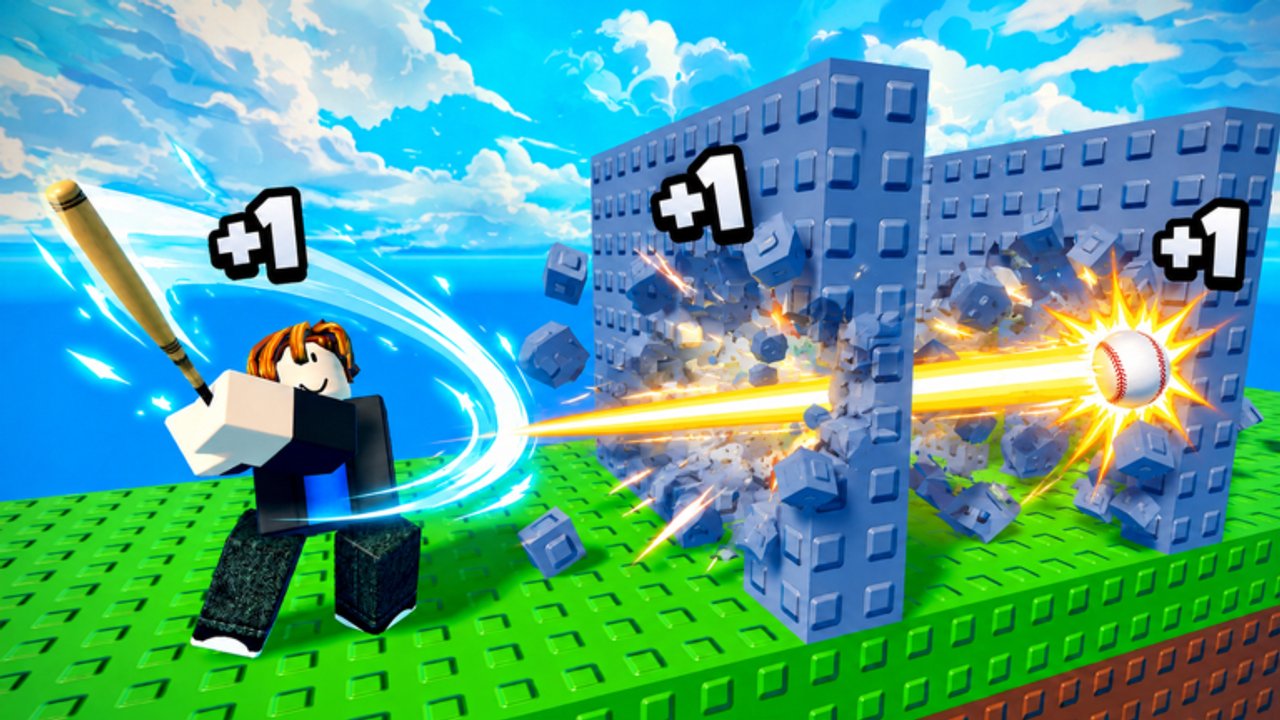
Forging is the heartbeat of +1 Homerun Forge. Training makes you strong enough to break walls; walls drop the materials; the forge turns those materials into bats that hit even harder. If you rush the forge without a plan you burn rare loot on mediocre rolls. If you never forge, you stall on walls that demand better smash power. This guide shows the full crafting flow used in PrimeLoop Studio’s Roblox experience and how to judge each result.
Pair this article with the bat tier list and Getting Started. Redeem codes before big forge sessions so free materials land in the same bag as farmed loot.
What you need before opening the forge
- Loot from stages — smash walls, pick up every drop. Higher stages generally yield rarer materials.
- Inventory space — clear junk bats so you can see new rolls.
- A goal rarity — decide whether you are bridging into B-tier or hunting S-tier. Random forging “for fun” is fine, but mark it as entertainment, not progression.
- Enough strength — a legendary bat still needs swing power behind it. Keep training in the rotation.
Step-by-step forge flow
- Collect a full trip of materials from your best clearable stage (stage tips).
- Return to the forge station in the hub.
- Open the forge UI and place materials into the available slots.
- Confirm the combination preview if the game shows odds or output categories.
- Hit Forge / craft and wait for the reveal animation.
- Read the rarity tag and power number on the new bat.
- Equip it if it beats your current smash power; otherwise store or scrap per the tier list.
- Repeat with the next best material set — do not instantly dump leftovers that could complete a rarer recipe.
Watch a real forge session
The embedded video below shows a player feeding loot into the forge and landing a high-rarity diamond-style bat, then testing it on a stage wall. Use it to recognize the UI timing and the excitement spike when a rare rolls — then come back to the checklist above for methodical grinding.
Reading rarity and power
Forge results speak two languages: rarity label (common → uncommon → rare → epic → legendary → mythic/special) and numeric power. Always trust the number when deciding what to equip. A flashy skin with lower power is a collection piece, not a stage key.
Community clips often celebrate diamond or “mega” bats because those rolls visibly delete walls that shrugged off earlier gear. When you hit one, pause the spam forge loop and push stages to convert that power into better loot density.
Material strategy
- Matched sets beat random soup when you are chasing a specific bracket.
- Volume can matter — some forge systems reward stuffing more ores — but diluting a near-perfect rare pile with commons can also pull the average down. Watch the on-screen chance panel if present.
- Code materials should fuel your highest realistic bracket, not ten low rolls.
- Duplicate commons are fuel; duplicate S-tier skins are flex. Know which you are holding.
After the roll — decision tree
| Result vs equipped bat | Action |
|---|---|
| Higher power | Equip immediately, push stages |
| Equal power, better skin | Optional cosmetic swap |
| Lower power | Scrap / store, keep farming |
| New rarity tier unlocked | Update your personal keep list, read tier list |
Common forge mistakes
- Forging while your bag still has empty room for a better stage’s loot.
- Ignoring strength so a new bat feels “weak” when the real issue is training.
- Spending every legendary material the second you loot it — sometimes waiting for a full set is correct.
- Using scripts that auto-forge without filters (Scripts Hub warns about account risk and junk fills).
Linking forge days to the rest of the wiki
Start sessions with Codes, train via Training and Strength, clear with Stage Progression, craft here, then validate keeps on the Tier List. Track patch notes on Updates because forge weights change.
Long-term forging goals
Early game: any upgrade over starter. Mid game: stable A/B-tier driver plus a stash for S attempts. Late game: S-tier smashers and skin collection without sacrificing the bat that clears your farm stage. That progression keeps Homerun Forge feeling rewarding instead of like a slot machine you resent.
Return to the Guides Hub for the full tutorial map, or jump to Players if you want studio and community context while you wait on the next lucky roll.
Frequently Asked Questions
Quick answers to the most common questions.
Can I choose the exact bat I forge?
Forging is chance-based from the materials you insert. You influence odds through loot quality and quantity, but the exact bat is a roll.
Why did my rare materials make a weak bat?
Randomness and dilution both happen. Keep trying with clean high-tier sets, and confirm you equipped the new bat if power actually rose.
Should I forge or train first?
If walls barely chip, train. If walls break but loot feels poor, push stages or forge for a stronger bat. Alternate both every session.
Where can I see forge gameplay?
Watch the YouTube embed in the middle of this page for a real +1 Homerun Forge forge attempt and wall test.